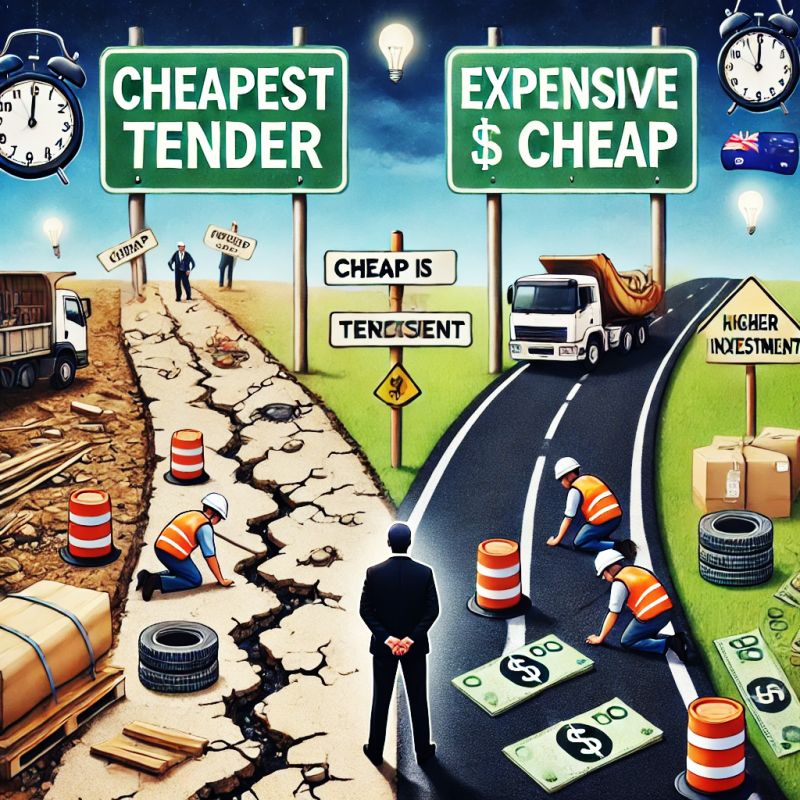
I lost a job once to a crew that came in 15% cheaper. It stung. I’d walked the site twice, beat my numbers to death, and quoted a price I could stand behind. The GC thanked me and hired the other guys.
Six weeks later, my phone rang. “Can you come back and finish?” he asked. “They were cheap… until the fourth change order.”
That’s when I stopped apologizing for pricing that lets me do clean work, pay people on time, and answer my phone a year later when there’s a question. A “cheap” job that bleeds cash, risks safety, and vanishes when there’s a problem isn’t cheap. It’s just the down payment on a bigger bill.
Money works the same way. A “cheap” approach — skipping proper insurance, starving maintenance, ignoring taxes until April — looks smart for a season. Then the bill shows up with penalties, downtime, or a reputation hit that takes years to fix.
Here’s the truth most folks learn the hard way: honesty has a cost, and it’s worth it. Say what it really takes. Price it. Put it in writing. Deliver. Your best clients respect that. So will your future self.
In finance, that means:
- Clear structure: what’s going to taxes, to reserves, to payroll, to you.
- Straight terms: how you pay yourself, how you invest, how you protect the downside.
- No surprises: we plan for the “change orders” of life before they happen.
If you’ve been racing to be the lowest bid with your prices or your money, I get it. I’ve been there. But the moment you choose “honest and durable” over “cheap and hopeful,” everything steadies. If you want help putting a real plan behind that kind of pricing — for jobs and for your money — let’s talk.
I help trades owners build pricing and money systems that last. Start here: Contact